Exploring Fish Finder Features: Essential Knowledge for Every Angler
Comprehending the features of fish finders is vital for all anglers looking to enhance their overall fishing performance. Several components, such as sonar systems and GPS functionality, play significant roles in improving the overall fishing experience. Each capability affects how effectively one navigates and identifies fish. Yet, fish finders are not all made the same. Anglers need to assess their specific needs and the many options available. What aspects ought to be emphasized to secure a rewarding experience on the water?
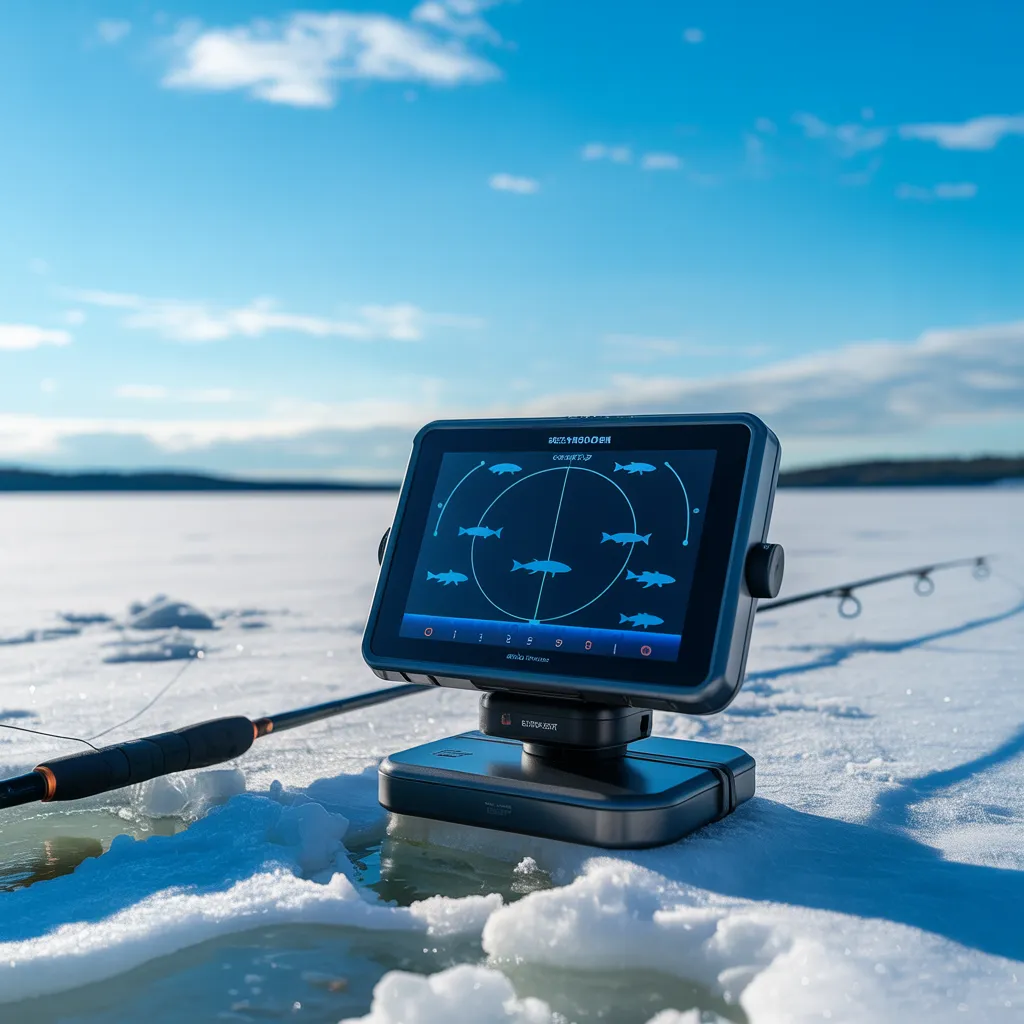
How to Select the Best Fish Finder for Your Requirements
When picking out a fish finder, what should anglers keep in mind to guarantee they make the best choice? First, the kind of fishing influences the necessary features. For instance, freshwater and saltwater environments often call for distinct specifications. Next, screen size and resolution are vital; bigger, high-definition screens improve readability and usability. Ease of transport is another key consideration, particularly for anglers using smaller vessels or kayaks.
The type of transducer and its frequency also affect overall performance; higher frequencies offer detailed images in shallow waters, while lower frequencies are better for deeper environments. Moreover, navigation capabilities may offer significant benefits for anglers who often explore new fishing locations. Finally, budget considerations should align with the desired features without overspending. By carefully assessing these essential factors, anglers can ensure they choose a fish finder that truly addresses their unique fishing requirements.
An Overview of Sonar Technology and Its Benefits
Sonar technology acts as the backbone of today's fish finders, enabling anglers to locate underwater formations and fish clusters with accuracy. This technology employs sound waves to produce detailed images of the subsurface environment. By emitting sound pulses and analyzing their echoes, sonar systems can determine the depth, scale, and structure of objects below the surface.
Two main categories of sonar exist: standard 2D sonar and cutting-edge 3D sonar. While 2D sonar provides basic depth and fish location data, 3D sonar provides a far more comprehensive perspective, showcasing underwater terrain and fish behavior. This information allows anglers to make informed decisions about fishing spots and techniques.
The advantages of sonar technology go further than simple fish detection. It also enhances safety by assisting anglers in avoiding underwater hazards, thereby improving their overall fishing experience. Comprehending sonar capabilities provides anglers with the tools necessary for fruitful and streamlined fishing outings.
What Display Choices Should You Explore?
When choosing a fish finder, anglers must take into account the importance of screen size and display type. A wider screen can enhance readability and convenience, while the type of display—such as LCD or LED—influences precision and functionality in different lighting conditions. Understanding these options is vital for optimizing the efficiency of the device on the water.
The Importance of Screen Size
The display size of a fish finder is a critical factor in how an angler performs on the water. A larger display enhances visibility, allowing for easier interpretation of data such as depth, fish location, and bottom structure. It minimizes the need for squinting or leaning in, which proves especially helpful during extended time on the water. Conversely, smaller screens may limit detail and clarity, creating difficulties in recognizing essential details. Additionally, screen size impacts portability; compact models are easier to transport but may sacrifice readability. In the end, choosing the appropriate screen size relies on the angler's needs, fishing approach, and their typical fishing conditions. A thoughtful choice can greatly enhance the overall fishing experience.
Display Type Options
While selecting a fish finder, anglers should thoroughly assess the various display types to choose from, as they greatly affect usability and functionality. The primary options consist of LCD, LED, and OLED displays. LCD screens are common and offer excellent readability in various lighting conditions, while LED displays offer superior brightness and better energy efficiency. OLED screens, while generally pricier, deliver outstanding contrast and vivid color accuracy, making them more readable in bright sunlight. Furthermore, anglers should consider screen resolution and size, as these elements affect the clarity of displayed data. Touchscreen capabilities can also elevate usability, allowing for faster browsing through settings and options. In the end, selecting the most suitable display type can significantly enhance fishing success and overall experience.
The Significance of GPS Integration in Fish Finders
GPS technology in fishfinders significantly improves navigation features, enabling fishermen to accurately determine their position on the water. This capability also supports waypoint tracking, permitting fishermen to save and navigate back to successful fishing spots. As read about this a result, anglers can enhance their fishing methods and boost their general effectiveness on the water.
Advanced Navigation Functions
Improved directional features in sonar units greatly elevate the sport fishing pursuit by incorporating GPS functionality. This merging permits fishing enthusiasts to locate their exact coordinates on the water, delivering a consistent reference for navigating unknown waters. With instant mapping, fishers can follow their path, making certain they continue oriented while fishing. Additionally, fish finders with GPS can reveal depth readings, bottom contours, and underwater structures, enhancing perception of the surroundings. This information enables fishing enthusiasts arrive at knowledgeable selections about ideal spots to fish. Beyond that, the fluid fusion of echo data and GPS coordinates enhances overall efficiency, allowing anglers to focus on their angling techniques rather than concerning themselves with direction. In conclusion, GPS incorporation greatly elevates the recreational fishing pursuit, making it more protected and rewarding.
Waypoint Control Features
Waypoint management features in fish finders play an essential role in enhancing an angler's efficiency on the water. These tools empower anglers to record, retain, and return to designated areas, including fruitful fishing locations, submerged structures, or potential dangers. With GPS integration, users can easily retrieve saved waypoints and access detailed maps, ensuring they can replicate successful outings. Moreover, several fish finders include the capability to sort waypoints, allowing fishermen to arrange their preferred spots and share them with companions. This capability minimizes time spent searching for fish, enabling more targeted fishing activities. At its core, efficient waypoint management shifts fishing from an unpredictable venture into a deliberate strategy, enhancing the probability of a rewarding haul.
Frequency and Transducer Types: Everything You Should Know
How can anglers choose the right frequency and transducer type for their fishing needs? Selecting the appropriate frequency is essential, as it significantly influences the fish finder's performance in various water conditions. Elevated frequencies, generally spanning between 200 kHz and 400 kHz, offer superior detail and work best in shallow waters, revealing structures and fish more clearly. On the other hand, lower frequencies, such as 50 kHz, reach deeper water depths more effectively, rendering them ideal for offshore fishing scenarios where depths surpass 100 feet.
The type of transducer also plays an important part. Traditional transducers are engineered for conventional sonar readings, while CHIRP (Compressed High-Intensity Radiated Pulse) transducers provide superior target separation and image clarity. Moreover, a number of transducers are equipped with various frequency options, enabling fishermen to adjust to varying fishing conditions. Grasping these characteristics empowers anglers to make educated decisions that elevate their fishing experience and general success out on the water.
How to Fine-Tune Fish Finder Settings for Better Performance
Calibrating fish finder settings can significantly enhance an fisherman's success on the water. To reach peak performance, anglers should begin by adjusting the adjust the frequency based on their surrounding water conditions. A increased frequency delivers more detailed imagery in shallower depths, while decreased frequencies are better suited for deeper areas. Additionally, the sensitivity setting must be adjusted to maximize target visibility; boosting sensitivity can aid in detecting fish in cloudy conditions, while setting it too high may overwhelm the screen.
Furthermore, choosing the correct display mode—including standard 2D sonar or advanced options like CHIRP—can improve image clarity. Routinely updating the unit's software provides availability of the latest features and improvements. As a final point, getting acquainted with the unit's interface and controls allows for rapid adjustments during trips on the water, improving the effectiveness of the device and ultimately increasing overall catch rates.
Helpful Tips for an Enjoyable Fishing Experience
Even though fishing serves as a calming leisure activity, planning and technique are essential for achieving good results. Those who fish should first focus on picking the proper tools designed for their unique fishing conditions. This involves selecting suitable rods, reels, and lures that match the intended fish species. Studying regional fishing rules and seasonal trends can offer valuable knowledge about the top fishing locations and optimal times.
Employing a fish finder greatly improves the fishing experience. Familiarizing oneself with its features—such as sonar capabilities and depth measurement—can considerably increase catch rates. Furthermore, maintaining a keen awareness of tidal patterns and weather conditions proves vital when preparing for fishing excursions.
Above all, develop patience and adaptability. The sport of fishing regularly requires adapting strategies based on real-time observations. Through the combination of preparation, technology, and flexibility, anglers are able to maximize their chances of a successful outing while embracing the tranquility of nature.
Frequently Asked Questions
Are Fish Finders Suitable for Both Freshwater and Saltwater Use?
Fish finding devices can indeed be used in both freshwater and saltwater conditions. Nevertheless, certain models are often engineered for optimal operation in a single environment type, so anglers should choose accordingly based on their specific fishing environment.
How Do I Keep My Fish Finder in Good Condition for Longevity?
To preserve a fish finder for long-term use, routinely clean the transducer, prevent exposure to extreme temperatures, confirm proper storage, maintain updated software, and inspect connections for corrosion. Following these steps can greatly extend the lifespan and functionality of the device.
Are There Budget-Friendly Fish Finder Options Available?
Affordable fish finder options are indeed available. Numerous manufacturers provide dependable models with key features at affordable price points, making it easier for anglers to find suitable devices without overspending while still delivering successful fishing experiences.
Can I Connect My Fish Finder to My Smartphone?
Indeed, a wide range of today's fish finders provide smartphone connectivity via Bluetooth or Wi-Fi. This feature allows users to view settings, data, and maps directly from their smartphones, improving their experience on the water.
What Are Some Common Troubleshooting Steps for My Fish Finder?
Common troubleshooting steps for a fish finder involve checking connections, ensuring power supply, fine-tuning the settings, checking the transducer for any damage, and resetting the unit. Such measures commonly fix issues and successfully bring the device back to full functionality.